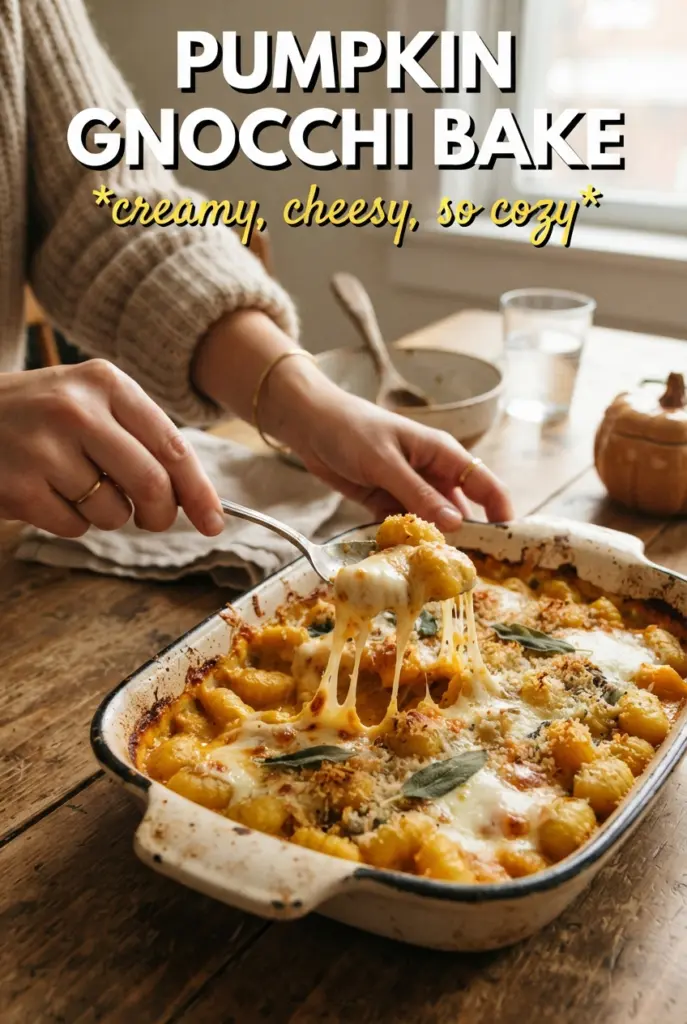
Pillowy gnocchi, browned sausage, and a creamy pumpkin-sage sauce come together under a blistered mozzarella top that pulls into long, salty strands when it comes out of the oven. The gnocchi cook right in the sauce, so they soak up the pumpkin and sage instead of turning dry or bland, and the whole dish lands somewhere between cozy baked pasta and a proper skillet supper.
The trick here is keeping the sauce loose enough before baking that the gnocchi can finish cooking without the pan drying out. Pumpkin puree gives body, but it needs cream and broth to turn into something spoonable; otherwise you get a thick paste that never quite turns silky in the oven. Fresh sage matters more than dried in this one because it cuts through the richness and keeps the sauce tasting savory instead of flat.
Below, I’m walking through the part that matters most: how to build the sauce so it bakes up creamy instead of heavy, plus the small swaps that still keep the dish in balance.
The gnocchi came out soft and tender, and the sauce stayed creamy even after baking. I was worried the pumpkin would taste flat, but the sausage and sage gave it a deep, savory flavor that my family finished off fast.
Save this Pumpkin Gnocchi Bake for the night you want creamy pumpkin sauce, crispy cheese, and dinner all baked in one pan.
The Reason the Gnocchi Stays Tender Instead of Turning Gummy
Uncooked gnocchi can go two ways in the oven: tender and plush, or dense and gluey. The difference is the sauce. If it’s too thick before baking, the gnocchi sit in a pasty coating and never get enough moisture to cook properly. If it’s too thin, the whole dish turns soupy and the cheese never browns the way you want.
Here, the pumpkin mixture should look like a loose cream sauce before it goes into the baking dish. It will thicken in the oven as the gnocchi release a little starch and the cheese melts over the top. That’s why the broth matters just as much as the cream. The broth keeps the sauce fluid enough for baking without making it feel heavy.
- The sausage adds fat and seasoning, which gives the sauce more depth than pumpkin alone can manage.
- The nutmeg doesn’t make the dish taste sweet. It quietly rounds out the pumpkin and cream so the sauce tastes fuller.
- The red pepper flakes keep the richness from feeling flat, especially once the mozzarella starts to brown.
What Each Ingredient Is Actually Doing in This Dish
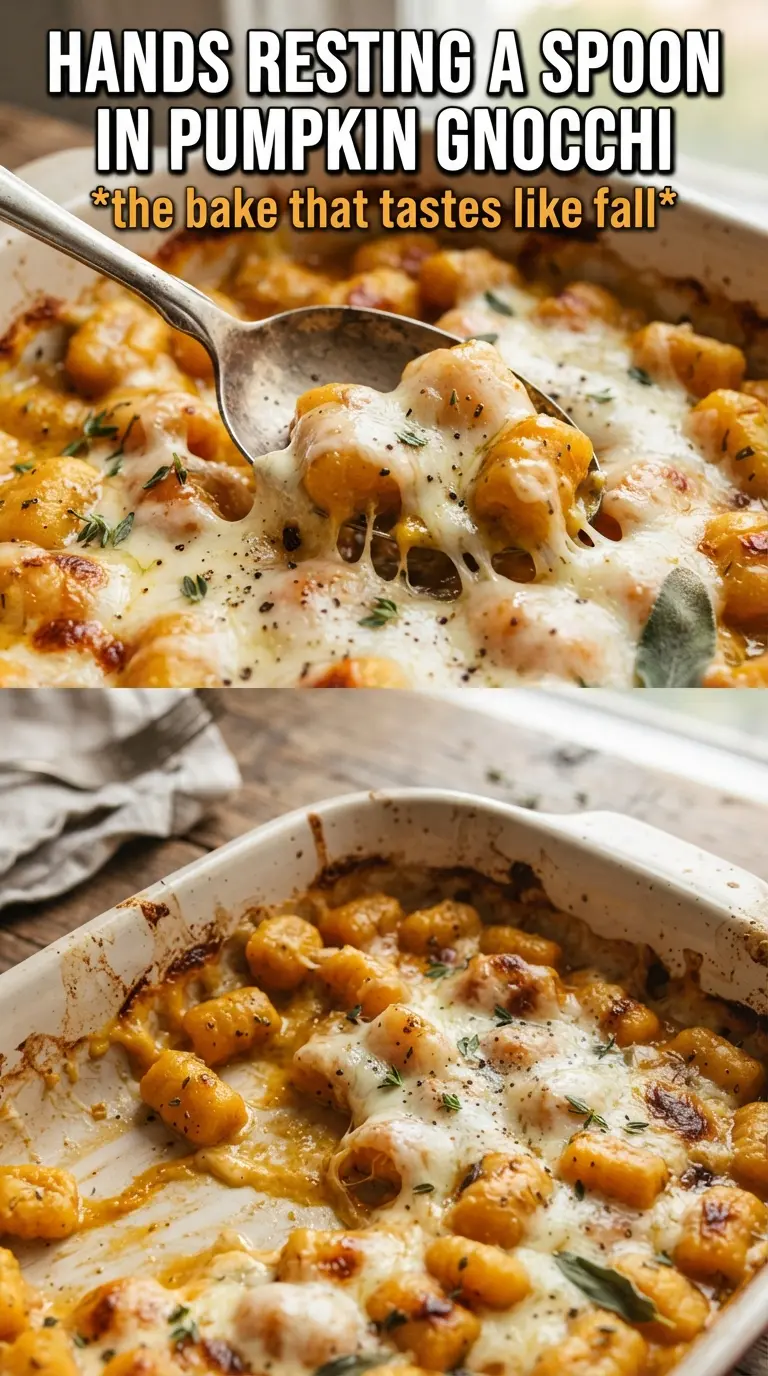
The ingredient list is short, which means every part has a job.
- Potato gnocchi — Use shelf-stable or refrigerated gnocchi here. They hold up well to baking and finish cooking in the sauce. If you use frozen gnocchi, thaw them first so they cook evenly.
- Italian sausage — This is the backbone of the flavor. Sweet or mild sausage gives the most classic balance, but hot sausage works if you want more heat. If you need a lighter version, ground turkey sausage works, though the sauce will taste a little leaner.
- Pumpkin puree — Use plain pumpkin puree, not pumpkin pie filling. The puree gives body and that earthy fall flavor, but it needs fat and broth to turn into a real sauce.
- Heavy cream — This is what keeps the pumpkin from tasting dry or chalky. Half-and-half will work in a pinch, but the sauce will be less rich and a little thinner.
- Fresh sage — Don’t swap this for dried unless you have to. Fresh sage gives the sauce a sharp, piney edge that cuts through the cream and sausage.
- Mozzarella and parmesan — Mozzarella gives you the melt, parmesan gives you the salt and the browned top. Pre-shredded mozzarella is fine, but grate the parmesan yourself if you can.
Building the Sauce So It Bakes Creamy, Not Thick and Pastelike
Brown the sausage first
Cook the sausage in a large skillet until it’s deeply browned, not just no longer pink. That browning gives the whole dish a savory base that pumpkin alone can’t provide. If you skip this and undercook the sausage, the finished bake tastes flat and greasy instead of rich. Drain off the excess fat, but don’t rinse the pan.
Bloom the garlic and sage
Melt the butter in the same skillet and cook the garlic and sage just until fragrant, about a minute or two. You’re not trying to brown the garlic here; you’re waking up the aromatics and flavoring the fat. If the garlic starts to color hard and smell sharp, lower the heat right away, because burnt garlic will take over the whole dish.
Loosen the pumpkin into a pourable sauce
Stir in the pumpkin, cream, broth, nutmeg, and red pepper flakes, then simmer just long enough for everything to come together. The sauce should look smooth and spoonable, not stiff. This is the point where people go wrong and let it get too thick on the stove. Remember that the gnocchi and cheese will thicken it again in the oven.
Bake until the top is bubbling and bronzed
Toss the uncooked gnocchi and sausage directly in the baking dish with the sauce, then cover everything with mozzarella and parmesan. Bake until the edges bubble hard and the cheese turns golden in spots. If the top browns before the center is hot, lay foil loosely over the dish for the last few minutes. Let it sit briefly before serving so the sauce settles and doesn’t run everywhere on the plate.
What to Change When You Want a Different Version
Make it dairy-free without losing the creamy texture
Use full-fat canned coconut milk or an unsweetened oat cream in place of the heavy cream, then choose a dairy-free mozzarella-style shred that melts well. The sauce won’t taste exactly the same, but it will still be rich and spoonable. Add a little extra salt and parmesan-style seasoning if your substitute is bland.
Use vegetarian sausage and keep the same balance
Swap in a plant-based Italian sausage and brown it well before adding the sauce. Vegetarian versions often need a little extra salt and a touch more sage to taste complete, but the rest of the method stays the same. This is the easiest way to keep the bake hearty without the meat.
Make it a little lighter without making it watery
Replace half the heavy cream with extra broth, but don’t cut the fat completely. The dish still needs enough richness to coat the gnocchi and keep the pumpkin from tasting thin. If you go too lean, the bake turns more like a casserole than a creamy gnocchi dish.
Storage and Reheating
- Refrigerator: Store leftovers in an airtight container for up to 4 days. The sauce will thicken as it chills, and the gnocchi will soften a bit more.
- Freezer: It freezes, but the texture of the gnocchi changes after thawing. If you do freeze it, cool it completely, wrap it well, and thaw overnight before reheating.
- Reheating: Warm it covered in a 350F oven with a splash of broth or cream to loosen the sauce. Microwaving works for a bowlful, but stop and stir once or twice so the cheese doesn’t turn rubbery.
Answers to the Questions Worth Asking
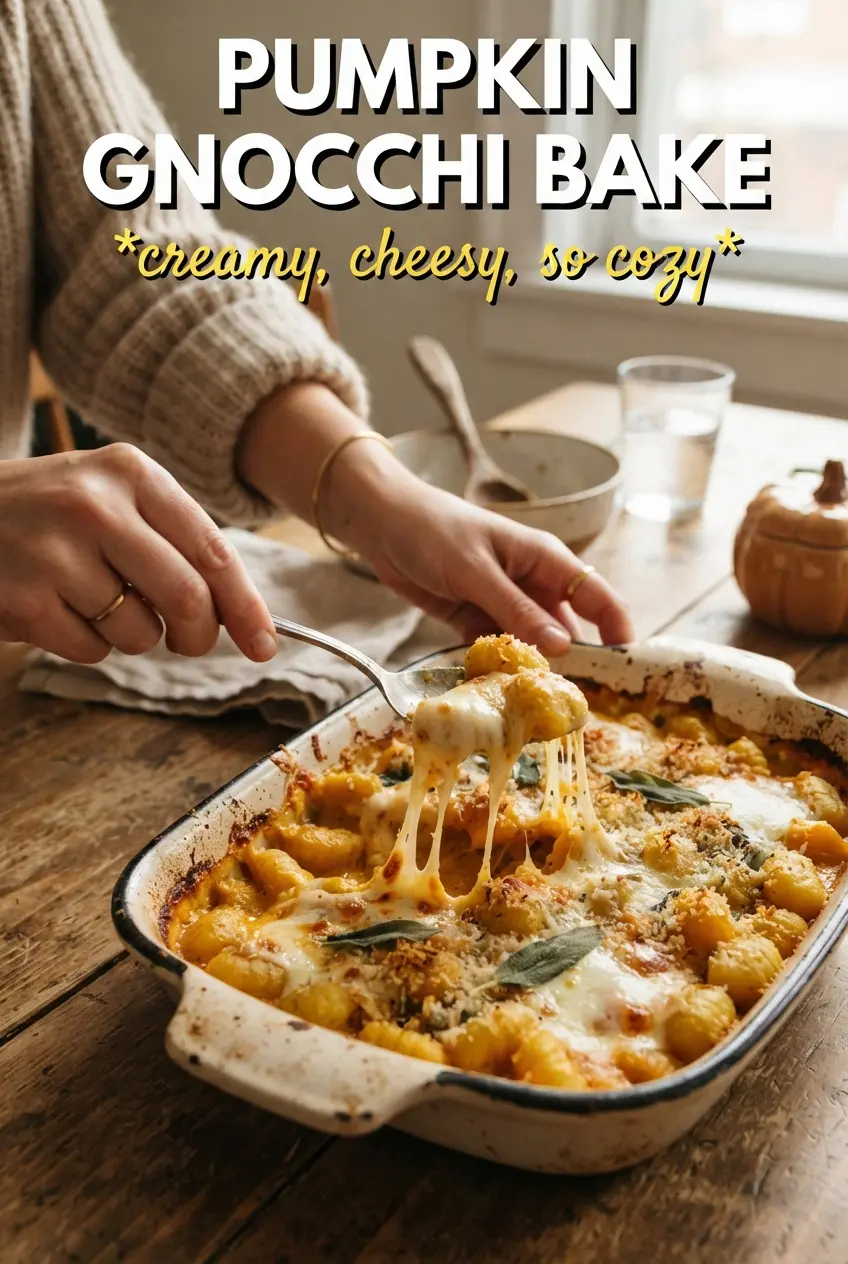
Pumpkin Gnocchi Bake
Ingredients
Equipment
Method
- Preheat oven to 400F and grease a 9x13 baking dish so the gnocchi won’t stick and the sauce can bubble evenly.
- Brown Italian sausage in a large skillet, then drain the fat and set aside so the bake stays flavorful but not greasy.
- Melt butter in the skillet and sauté garlic and sage for 1-2 minutes until fragrant.
- Add pumpkin, heavy cream, chicken broth, nutmeg, and red pepper flakes, then simmer for 3-4 minutes until slightly thickened.
- Season with salt and pepper to taste so the sauce is properly balanced.
- Toss uncooked potato gnocchi directly in the sauce in the baking dish, then add the browned sausage and mix to coat.
- Scatter mozzarella and Parmesan over the top for a crisp, browned finish.
- Bake for 30-35 minutes at 400F until the gnocchi are cooked through, the sauce is bubbling, and the cheese is golden.