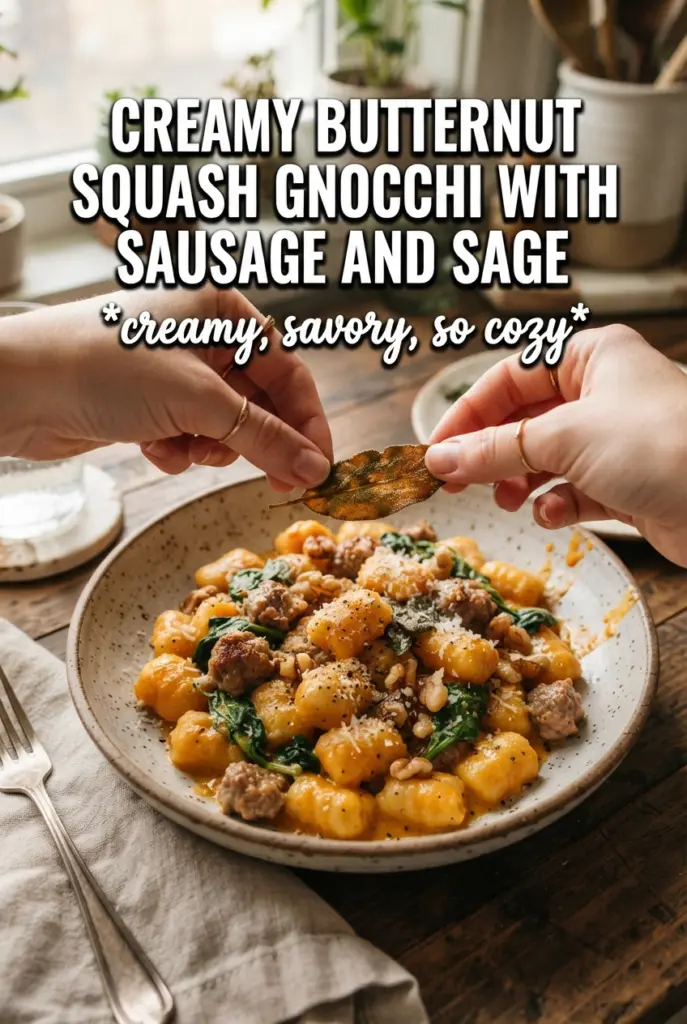
Creamy butternut squash gnocchi with sausage and sage lands in that sweet spot between comforting and a little bit special. The sauce turns velvety and golden, the gnocchi stay pillowy, and the crispy sage gives each bite a sharp, fragrant finish that keeps the dish from feeling heavy. It’s the kind of pan dinner that looks like you spent much longer on it than you did.
The key is building the sauce from squash puree, cream, and parmesan until it tastes rounded, not just sweet or rich. Browned sausage adds salt and depth, and the butter does double duty here: it crisps the sage first, then carries the garlic into the sauce with all that flavor still in the pan. That one skillet trick is what keeps everything tied together.
Below, I’ve included the timing that keeps the gnocchi tender instead of gummy, plus a few variations for lighter or dairy-free cooking. If you’ve ever had squash sauce turn flat or watery, the notes here will help you avoid that.
The sauce came out silky and clung to every gnocchi without getting gluey, and the crispy sage on top made it taste like a restaurant dish.
Save this creamy butternut squash gnocchi for the nights when you want a rich skillet dinner with crispy sage and almost no cleanup.
The Trick to Keeping the Squash Sauce Creamy, Not Pasty
Butternut squash puree can go flat fast if it’s treated like a shortcut instead of a base. The sauce needs enough fat and dairy to taste lush, but not so much heat that the cream tightens or the parmesan turns grainy. That’s why the butter, cream, and cheese all work best over a gentle simmer. If the pan is roaring, the sauce can separate before the gnocchi even goes in.
The other mistake is adding too much liquid at the start. Squash puree already brings thickness, so the sauce should look a little loose in the pan before the gnocchi hits it. As the gnocchi warms through, it absorbs some of that sauce and the whole dish settles into the right texture instead of turning stodgy.
What Each Ingredient Is Actually Doing in This Dish
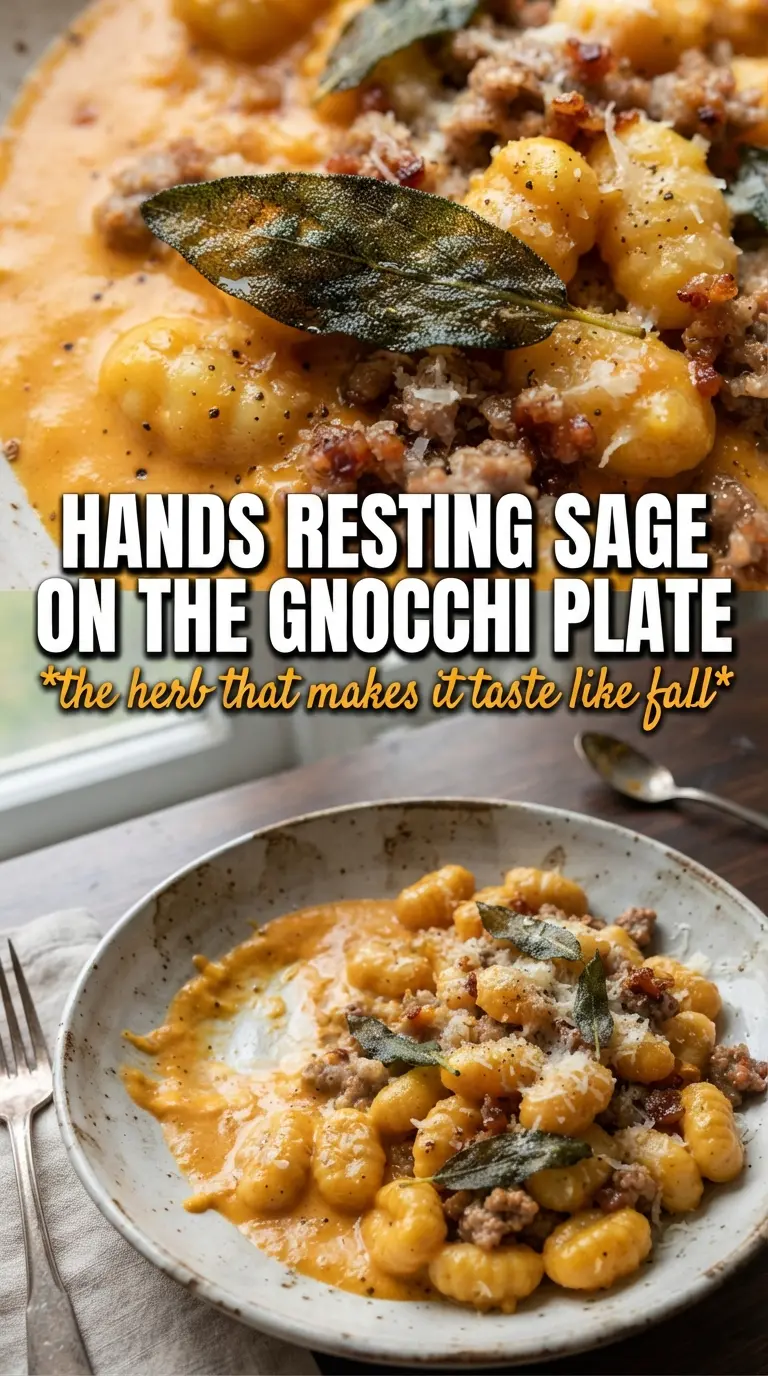
- Potato gnocchi — Shelf-stable gnocchi works beautifully here because it cooks fast and holds onto the sauce. Fresh gnocchi can be used too, but watch it closely; it goes from tender to mushy in a minute.
- Italian sausage — This brings seasoning, fat, and depth all at once. Mild or hot both work, but if your sausage is heavily fennel-forward, use a little less red pepper flakes so the dish doesn’t tilt too far in that direction.
- Butternut squash puree — Roasted puree has a deeper, sweeter flavor than canned puree made from steamed squash. If you use canned, look for plain squash puree, not pie filling, and expect the sauce to need an extra pinch of salt to wake it up.
- Heavy cream — This is what smooths the squash into a real sauce instead of a thick mash. Half-and-half works in a pinch, but the sauce will be thinner and won’t cling quite as well to the gnocchi.
- Parmesan — Use the real stuff and grate it yourself if you can. Pre-grated parmesan often has anti-caking agents that can make the sauce less silky.
- Sage leaves — Frying them in butter turns them glassy and crisp, which gives the dish its best contrast. Don’t skip the frying step and just stir in chopped sage; the texture is part of the point.
- Nutmeg — A small amount makes the squash taste warmer and more rounded without screaming spice. Too much, and the sauce starts to taste perfumed instead of savory.
Building the Pan So Every Bite Tastes Like It Belongs
Brown the sausage first
Cook the sausage in a large skillet until it’s deeply browned and no pink remains. You want those little caramelized bits clinging to the pan because they’re part of the sauce’s flavor base. Drain the excess fat, but leave the browned fond behind. If you skip the browning and just steam the sausage, the final dish tastes flatter and greasier.
Crisp the sage in the butter
Add the butter and sage leaves to the same skillet and cook just until the leaves darken slightly and crisp at the edges. Pull them out right away; they keep cooking in the residual heat and can go bitter if left in the pan. The butter will smell nutty and herbal, which is your signal that it’s ready for the garlic.
Turn the squash into a sauce
Cook the garlic for about a minute, just until fragrant, then stir in the squash puree and cream. Keep the heat at medium-low so the dairy stays smooth. Once the parmesan, nutmeg, and red pepper flakes go in, the sauce should look glossy and thick enough to coat a spoon. If it starts looking grainy, the pan is too hot.
Finish with the gnocchi and sausage
Boil the gnocchi according to the package directions, then transfer it straight into the sauce. Toss in the sausage and stir until everything is coated and heated through. The sauce should hug the gnocchi without pooling heavily at the bottom of the pan. Top with the crispy sage and extra parmesan right before serving so the leaves stay crisp.
How to Adapt This for Different Eaters and Different Pantries
Dairy-Free Version With a Still-Creamy Finish
Use olive oil instead of butter, full-fat coconut cream or an unsweetened dairy-free cooking cream instead of heavy cream, and a dairy-free parmesan-style substitute if you have one that melts well. The sauce won’t taste identical, but it will still be rich and silky if you keep the heat low and don’t rush the simmer.
Gluten-Free Without Changing the Method
Use gluten-free gnocchi if that fits your needs. The sauce itself is naturally gluten-free, so the only thing to check is the sausage label and the gnocchi package, since both can hide wheat in some brands.
Vegetarian Version With the Same Cozy Texture
Swap the sausage for sautéed mushrooms, especially cremini or browned shiitake, and add a pinch more salt plus a little extra red pepper flakes. You’ll lose the savory snap of the sausage, but the mushrooms bring enough depth that the sauce still feels satisfying.
Storage and Reheating
- Refrigerator: Store leftovers in an airtight container for up to 3 days. The sauce will thicken as it chills, so expect it to look a little tighter the next day.
- Freezer: I don’t recommend freezing this one. Cream sauces can separate after thawing, and gnocchi tends to get soft and a little bouncy in a bad way.
- Reheating: Warm it gently in a skillet over low heat with a splash of cream, milk, or water to loosen the sauce. The biggest mistake is blasting it in the microwave until the sauce breaks and the gnocchi turns chewy.
The Questions That Come Up With This Gnocchi
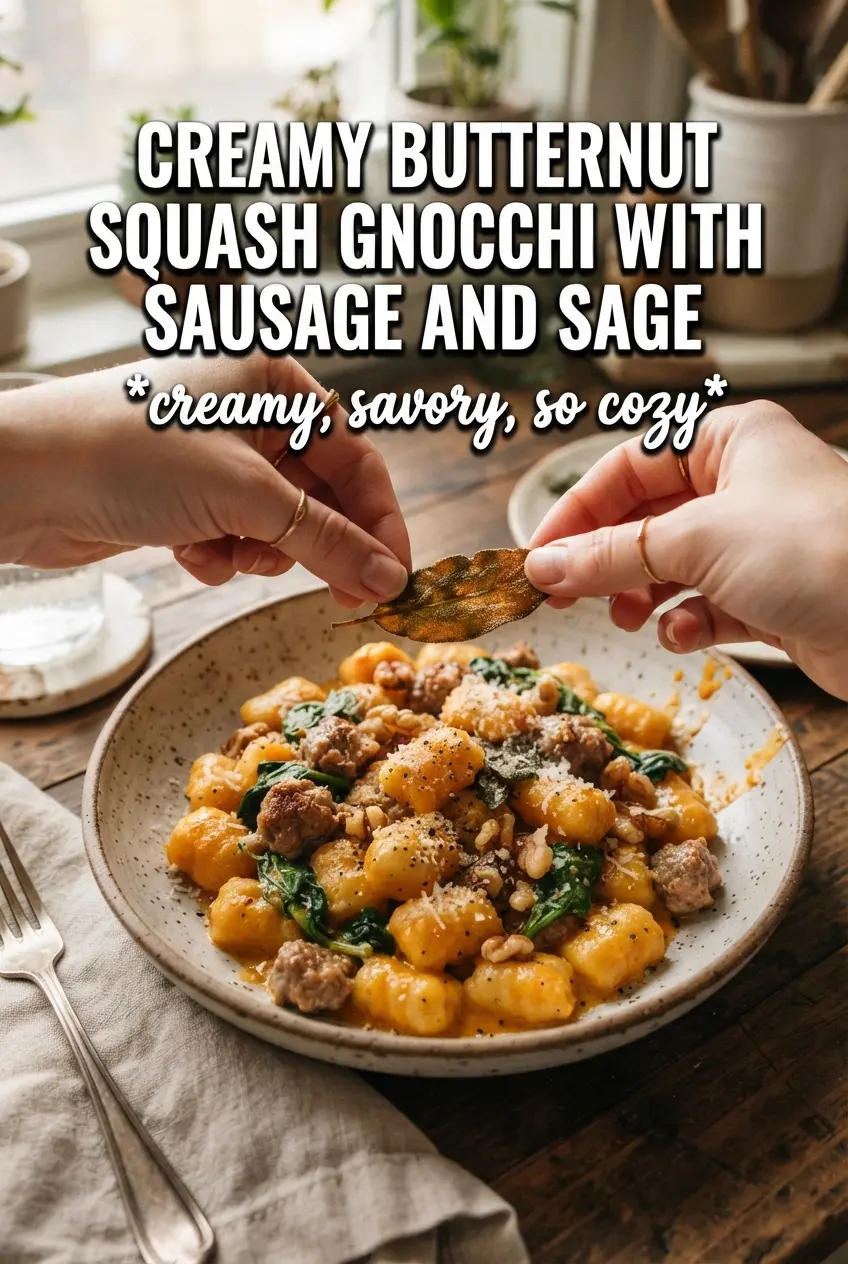
Creamy Butternut Squash Gnocchi With Sausage And Sage
Ingredients
Equipment
Method
- Heat a large skillet over medium-high heat and brown the Italian sausage until cooked through, stirring to break it up. Drain excess fat and set the sausage aside.
- In the same skillet over medium heat, melt the unsalted butter and fry the fresh sage leaves until crispy, flipping once. Remove to a plate to crisp further and set aside.
- Lower the heat to medium and sauté the garlic in the butter for 1 minute, stirring until fragrant. Add the butternut squash puree and heavy cream and bring to a gentle simmer.
- Stir in the parmesan, nutmeg, and red pepper flakes, then simmer for 5 minutes, stirring often, until smooth and creamy.
- Cook the potato gnocchi according to package instructions, then add it directly to the sauce. Stir until the gnocchi is coated and heated through.
- Return the browned sausage to the skillet and toss everything together until evenly distributed.
- Season with salt and pepper to taste, then top with the crispy sage leaves and extra parmesan for serving.